Warehousing Challenges, Part II: Time to Evolve
It’s time to say goodbye to your legacy systems, including your trusty computer-on-wheels. It’s time to automate. Learn more about warehouse automation in our Warehousing Challenges blog series.
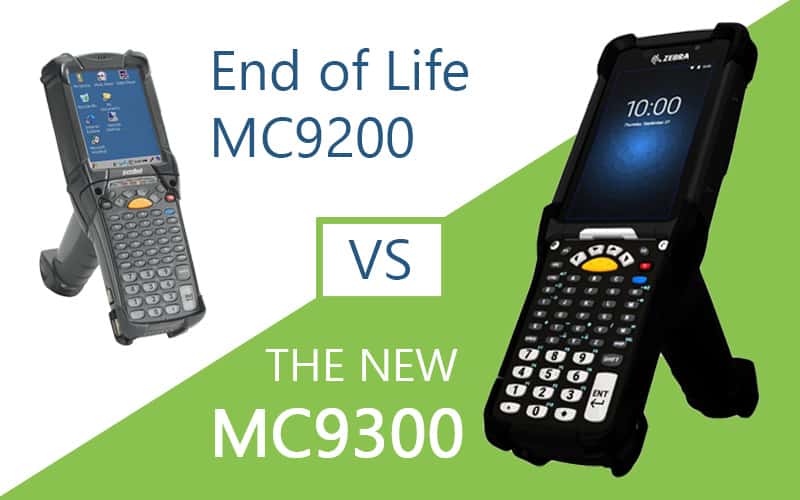
In early 2019, Zebra Technologies announced the end of life for the MC9200 handheld mobile computer with plans to replace with the updated Zebra MC9300.
(a 3 minute read…) Companies often find themselves in a tight spot when it comes to keeping track of “physical things” owned by the business. In most instances, there will be a lot of “things” to keep track of, so keeping tabs on everything can be daunting. The good news is that Asset Management Systems …
The Internet of Things (IoT) sparked excitement as the next great thing in technology. Learn more about IoT here. Using sensors embedded in everything from home appliances to clothing, consumers are jazzed about what smart technology can do: changing the temperature in your home when you’re away checking your heart rate and letting you …
Thanks for stopping back in to read the 3rd part of this series on “Getting LEAN” with Data Matrix Barcodes in the manufacturing industry. If you missed the first two parts, you can read them here: Part 1 Part 2 Application Versatility Whether it be the assembly lines, final assembly lines, test and measurement locations, …
Welcome back to my series on how to Get LEAN by implementing 2D Matrix Barcodes in your manufacturing facility. In my last blog, I shared how the physical features of a 2D Data Matrix barcode that has been applied via Direct Part Mark (DPM) have been beneficial to manufacturers of Print Circuit Boards (PCBs) and …
As manufacturing continues to evolve, so do the requirements of their end users. Quality, price and lead time have never meant more to the manufacturing industry, so looking for ways to improve these criteria without sacrificing one for the other has become a necessity. In the manufacturing world, this concept is known as getting “lean”. …
In Part 1 of this series, discussion surrounded the first 3 ways that the manufacturing industry can use 2D barcode scanning technology to improve traceability: Print Circuit Board Component Reels, Print Circuit Boards & PCB Arrays, and Board Sub-Assemblies. In case you missed it, you can read more here. Today, I will share the next three …
10 Ways to use 2D Barcode Scanning in Manufacturing, Part 2 Read More »
I have spent over 12 years in Industrial Automation & Data Acquisition and have worked with many customers in the Print Circuit Board (PCB) Industry. During this time, I have seen increased requirements for lot traceability by end users due to quality concerns. With strict traceability reporting requirements and the potential for lot rejection, PCB …
How to Handle PCB Component Reel Scanning & Employee Accountability Read More »
For the consumer, the Internet of Things (IoT) means you can remotely turn down your thermostat, refill your prescription, and make sure your dog isn’t stirring up mischief at home—all from your phone, while sitting in a meeting, and no one there knows what you’re doing. (Hint: They’re doing pretty much the same thing.) Sociologist …