
Mobile Driver’s Licenses (or mDLs) are currently accepted in several states, and the remaining states are in the process of researching, developing, or implementing mobile IDs. The technology is new, exciting and unfamiliar to many. Discover how mDLs work and the benefits of having one.
How do Mobile Driver’s Licenses work?
The first thing to know about mDLs is that they contain the same information as our physical driver’s licenses. This includes:
- Name
- Date of Birth
- Address
- Height
- Hair Color
- Eye Color
- Driver’s License Number
- Driver’s License Class/Type
- Restrictions/Conditions
- License Status
- Identification Photograph
- Organ Donor Status, if applicable
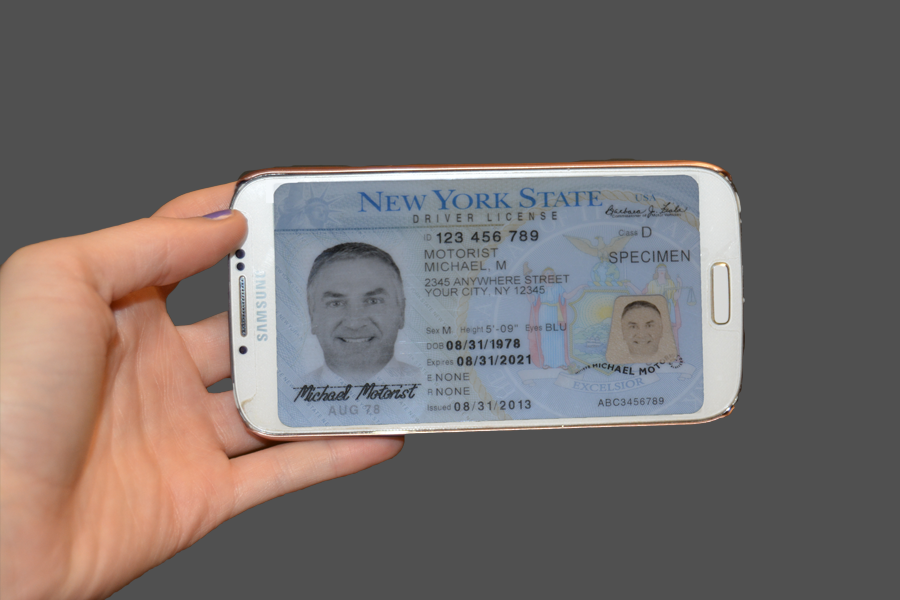
Although both forms of licenses contain identical information, the presentation is significantly different between the two.
A physical driver’s license includes all of the driver’s information on the front of the license, with a barcode on the back that holds the same information.
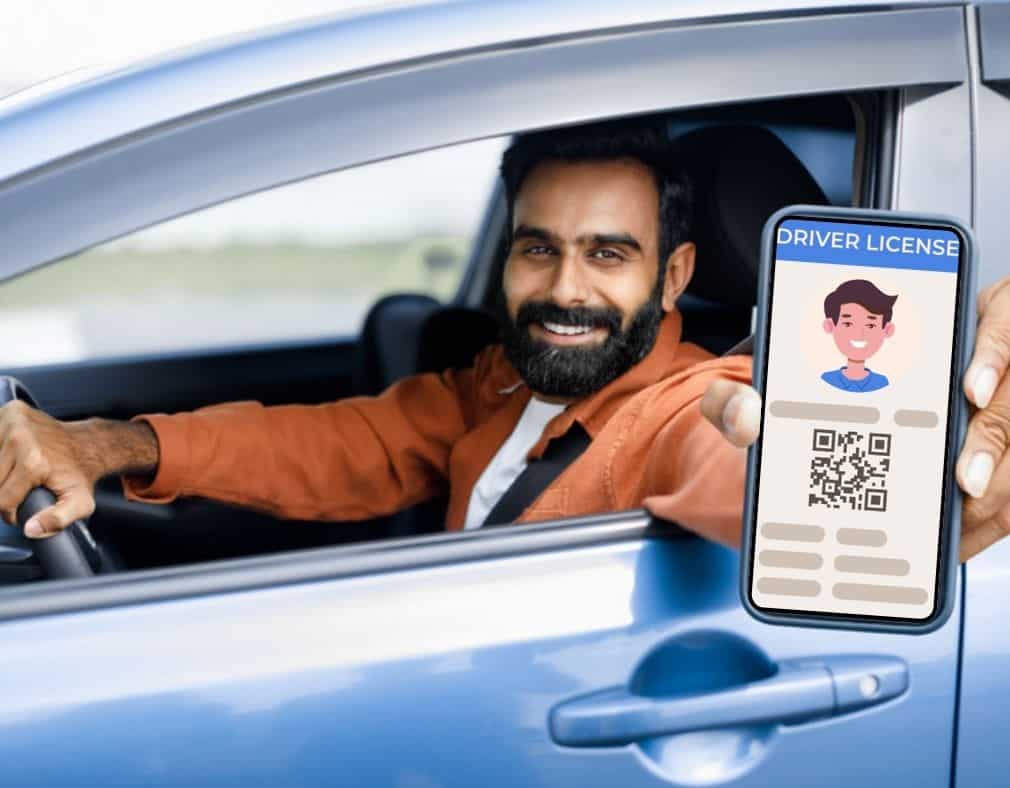
A mDL stores the driver’s personal information in a secure, encrypted app (like a digital wallet) on a smart device.
Just like a physical driver’s license, a mobile driver’s license contains the driver’s photograph that can be viewed to validate identity. One notable difference between the two licenses, however, is that the mDL owner can often choose the extent of personal information to share, leaving the remaining information private. For example, upon being ID’d at a bar, the individual may only want to share that they are over 21 years of age – versus the bouncer seeing their personal address, etc.
What is the value of mDLs?
mDLs are gaining adoption for a variety of reasons, bringing value to both the holder and the party requesting proof of identity.
- mDLs are more secure than traditional licenses.
- With mDLs, counterfeiting is unlikely due to the electronic authentication process that occurs when requesting and sharing license information.
- Mobile driver’s licenses can be updated in real-time to reflect name changes, address changes and changes to the motorist’s driving privileges.
There are some additional security features that vary state to state.
For example, in NY, mobile driver’s licenses can only be stored on one device. This means there is little-to-no risk of identity fraud if a device is lost or stolen. When the driver activates their mDL on a new device, the old mDL is automatically deactivated.
In Virginia, a mobile ID can be on up to four devices at a time. Users must complete enrollment on the first device before starting enrollment on the next device(s).
As we have already touched upon, mobile driver’s licenses offer a new level of privacy for holders. Driver’s licenses are used for identity in all sorts of environments: roadside traffic stops, doctor’s offices, bars/grocery stores and hotels. Presenting a physical license means that the other party can see all the personal information on the ID. When a mDL is requested, the holder can choose to share, or to limit the sharing of personal information.
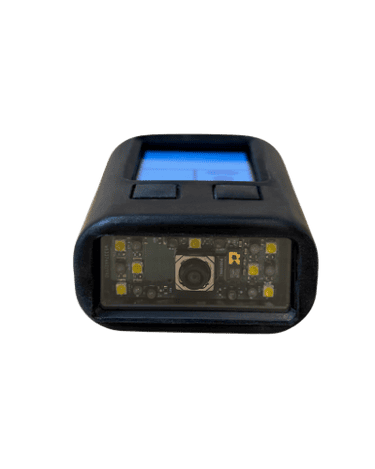
Coming soon: L-Tron’s mDL Reader for law enforcement agencies
Currently, mobile driver’s license usage and development varies by state. In fact, a mobile driver’s license holder is required to still carry their physical license with them even if they have an mDL. Yet, it seems safe to say that mDLs will become more widely used as time goes on and law enforcement agencies must be prepared. The state of Georgia has passed legislation that will require law enforcement to be able to read/process mDLs by July of 2027.
L-Tron has created a new product (L-Tron’s mDL Reader, the mDLR-1) to read both mobile driver’s licenses and physical IDs at traffic stops.
When we built our popular 4910LR Driver’s License Scanner, we sought input and feedback from police officers so that we could deliver the features they needed. We have done the same with our new mDL reader. Officers can expect plug and play performance, wireless operations and an ergonomic design.
Additionally, we understand the importance of maintaining visual verification of the motorist and the need to read mDLs without having to handle a motorist’s device. Our mDL reader allows officers to keep their hands free, maintaining situational awareness and keeping officer safety #1.
Interested in more information on how mobile driver’s licenses work? Check out these links: