
mDL Reader FAQs

Law Enforcement Mobile Driver’s License & mDL Reader FAQs

A mobile driver’s license, or mDL, is a digital version of your driver’s license issued by the state department of motor vehicles (DMV). Typically, these are stored in a dedicated app or a digital wallet on the user’s mobile device. An mDL contains a driver’s identity and credentials in digital form.

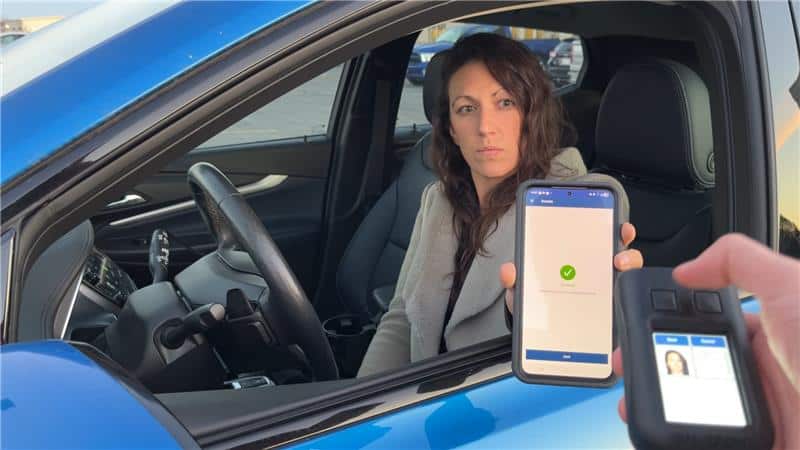
Since mDL technology is so new, it comes as no surprise that law enforcement officers have plenty of questions about the new technology. Here are the answers to several frequently asked questions around mDLs and the L-Tron mDL Reader, built specifically for law enforcement to read mobile IDs at traffic stops.

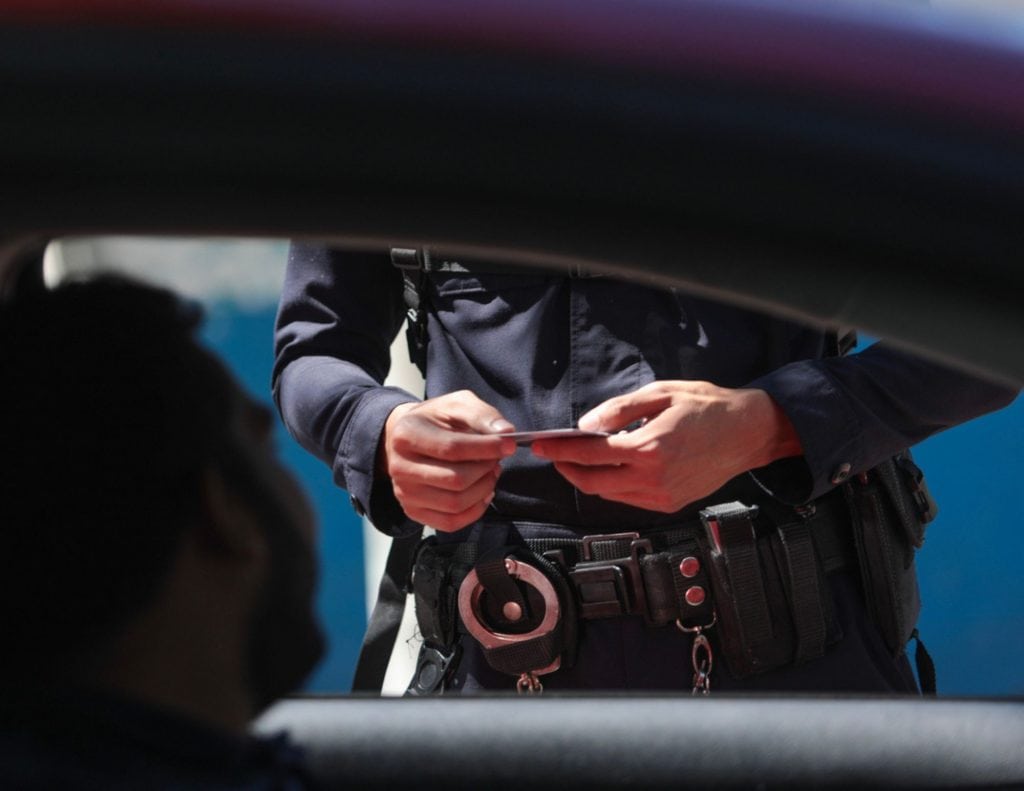
Georgia Law Enforcement checking an ID at a traffic stop

Mobile ID Legislation Passes in Georgia: How will Patrol Officers Read Digital Driver’s Licenses at Traffic Stops?

Georgia has become the first state to pass key legislation around the acceptance of mobile/digital driver’s license with House Bill 296.

Georgia House Bill 296 currently “allows, but does not compel, law enforcement to accept digital versions of licenses/IDs.” However, state law enforcement agencies will be required to accept and verify digital IDs beginning July 1, 2027. This means that changes are on the way for Georgia law enforcement agencies.

See what this means for patrol officers and how L-Tron’s mDL Reader (mDLR-1) can help.

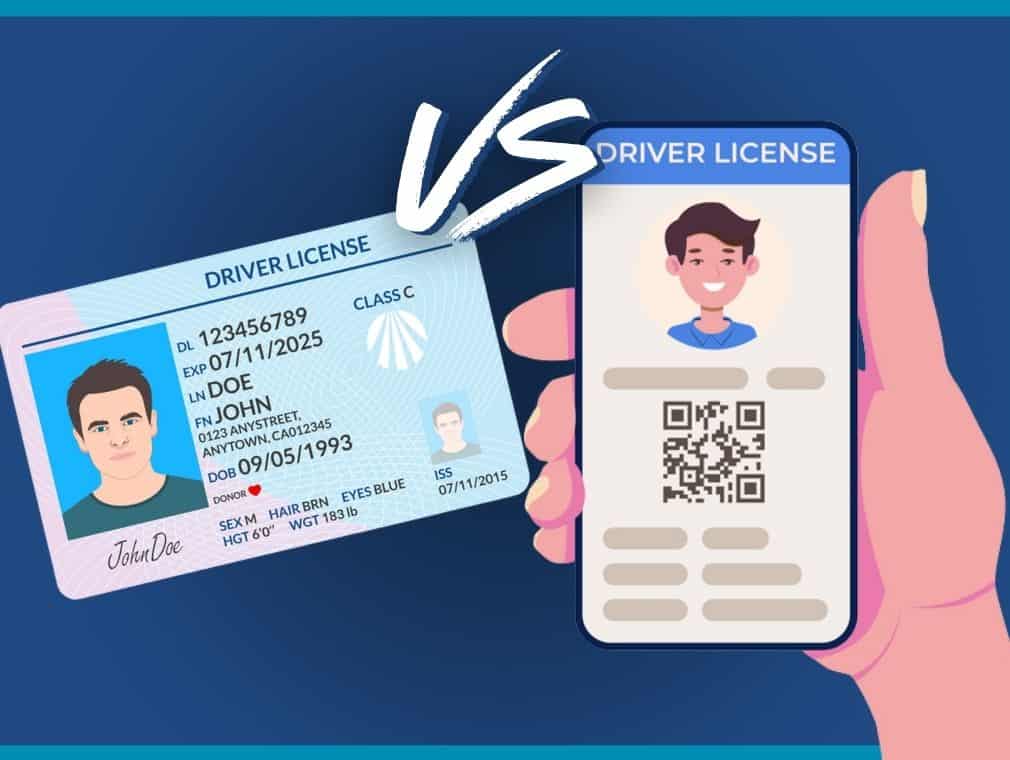
mobile driver's licenses (mDLs) vs physical driver's licenses

Mobile Driver’s Licenses (mDLs) vs Physical Driver’s Licenses

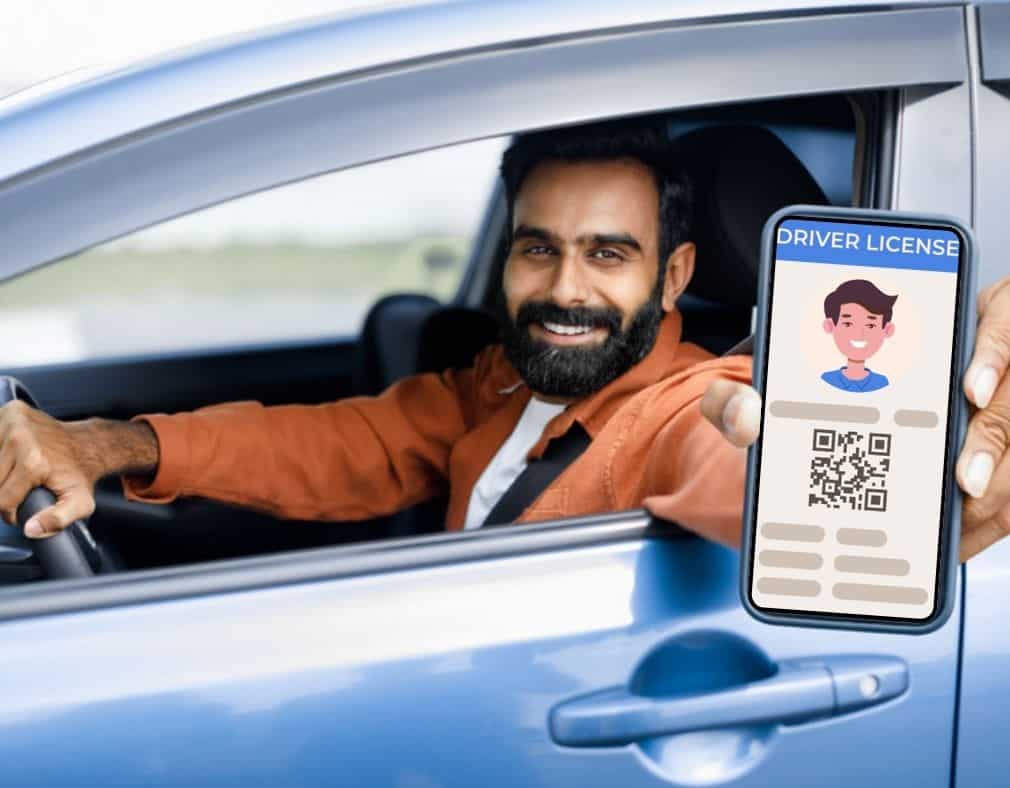
Traditionally, driver’s licenses have been issued on a sturdy, plastic card that fits in a wallet. Today’s drivers frequently have an additional option: a mobile driver’s license, also known as an mDL or mID (mobile ID).

Discover the differences between mDLs vs. physical driver’s licenses, including how these different forms of identification could be processed at a traffic stop.

Chat